
How we filmed Bodyform’s “Womb Stories”: blood, nipple hair, flowers, and monsters
Bodyform has once again shifted the paradigm of menstruation with the beautifully shot “Womb Stories” ad, which explores the duality of the womb and shows menstruation as it is: messy, painful, and sometimes a welcome relief. The creative duo behind this ad explains how they created it.
Bodyform isn’t afraid to go where other brands won’t. In the “Blood Normal” campaign, they ditched blue liquid in favor of the first real depiction of menstrual blood in an advertising campaign. In the “Viva La Vulva” ad, they presented us with a kaleidoscopic, unpretentious ode to female anatomy and sank the toxic myth of “perfection” with a colorful chorus of singing and dancing vulvas.
Last week, along with sister brand Libresse, they introduced their most ambitious advertising campaign yet: “Womb Stories,” created by AMV BBDO agency.
The campaign, which includes IVF treatment, endometriosis cramps, menopausal hot flashes, nipple hair, and first menstruation, gives voice to the unseen, unspoken, and unknown truths about women’s physical experiences worldwide. It confronts the harmful labels women live with every day that dictate what they should and shouldn’t feel about their bodies.
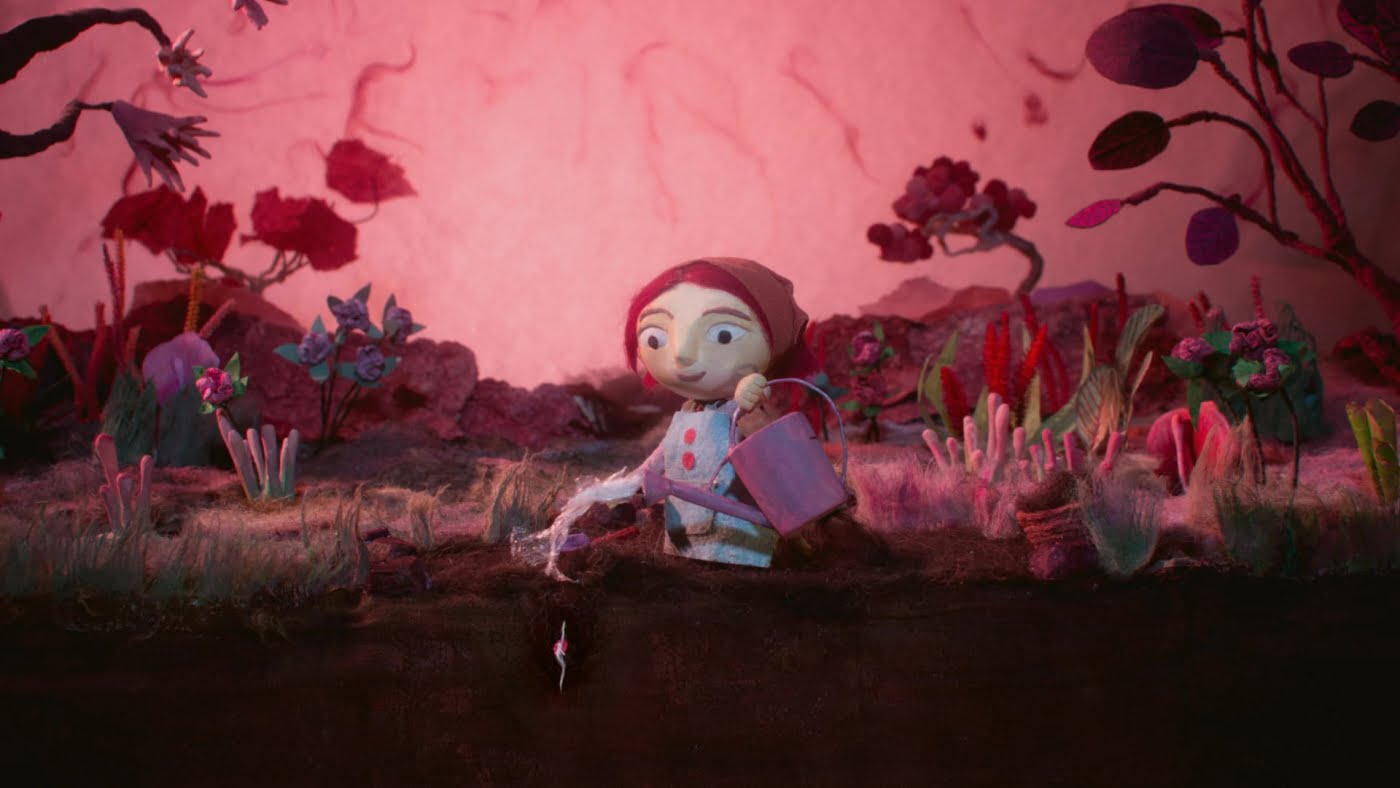
Stories from various wombs are illustrated by an eclectic mix of animations, serving to demonstrate a woman’s complex relationship with her cycle, interwoven with real-life footage. The spot’s hero is colorful and powerful, its message clear and distinct: stop being silent about women’s health.
Nadja Lossgott and Nicholas Hulley are the executive creative directors behind Bodyform’s latest work. Together, they’ve already broken an impressive list of taboos for the brand. However, in preparing this campaign, the duo wanted to further strengthen its mission of breaking stigmas.
“It’s great that we’ve reached a stage where we’re celebrating menstruation and the vulva, but the truth is that being a woman – or a person who menstruates – is sometimes really shitty,” says Lossgott.
“The complexities in most women’s lives are complicated and chaotic, and that should be acknowledged,” she adds, pointing to issues such as IVF, the decision not to have children, and the pain brought on by conditions like endometriosis.
Bodyform asked AMV BBDO to create a campaign after discovering striking statistics about women’s intimate experiences. 62% of people agreed that women’s health is not talked about enough, while 40% of women reported that their mental well-being was affected as a result of not being able to openly share experiences with issues such as miscarriage, fertility, and menstruation.
Hulley says the creative team wanted to continue suppressing shame and evoking pride, but also wanted to include the reality that had been largely ignored.
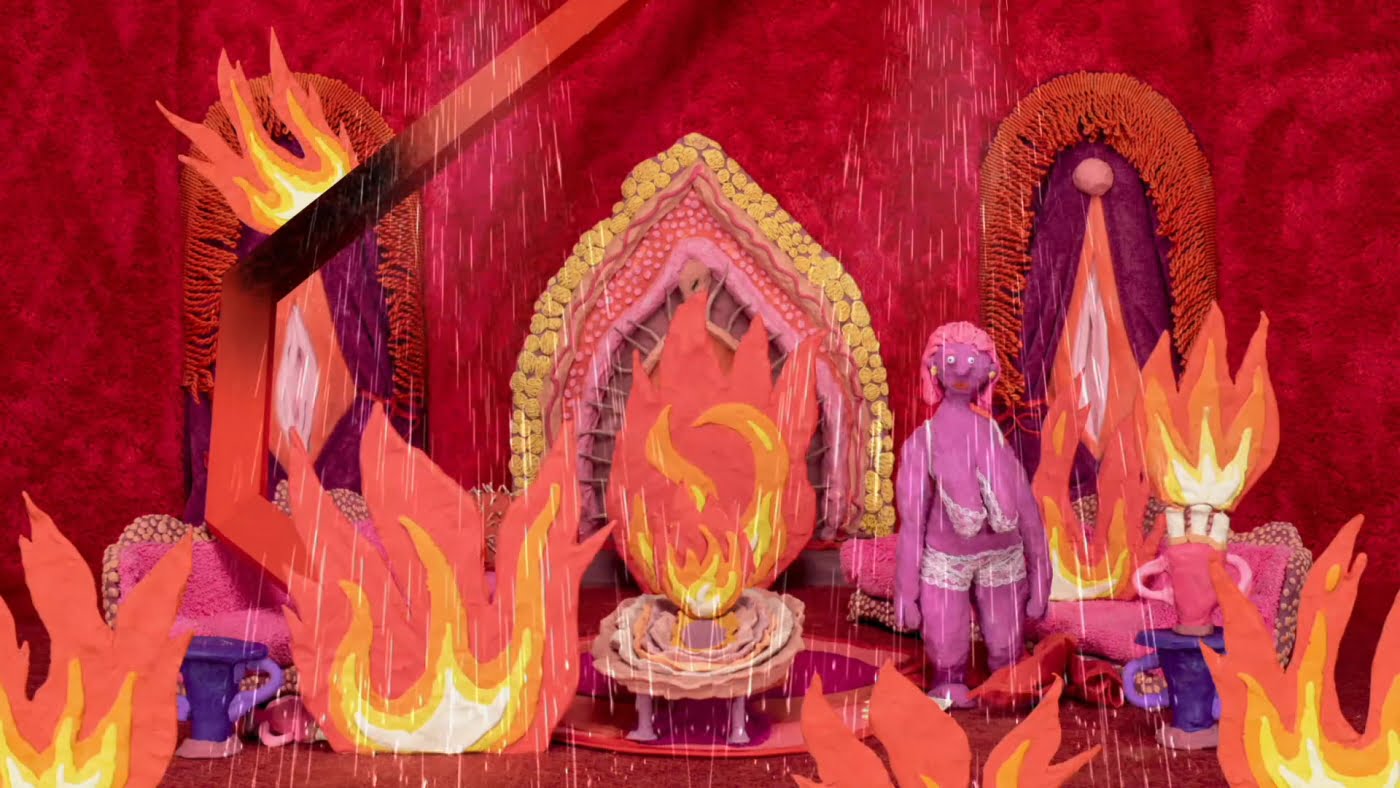
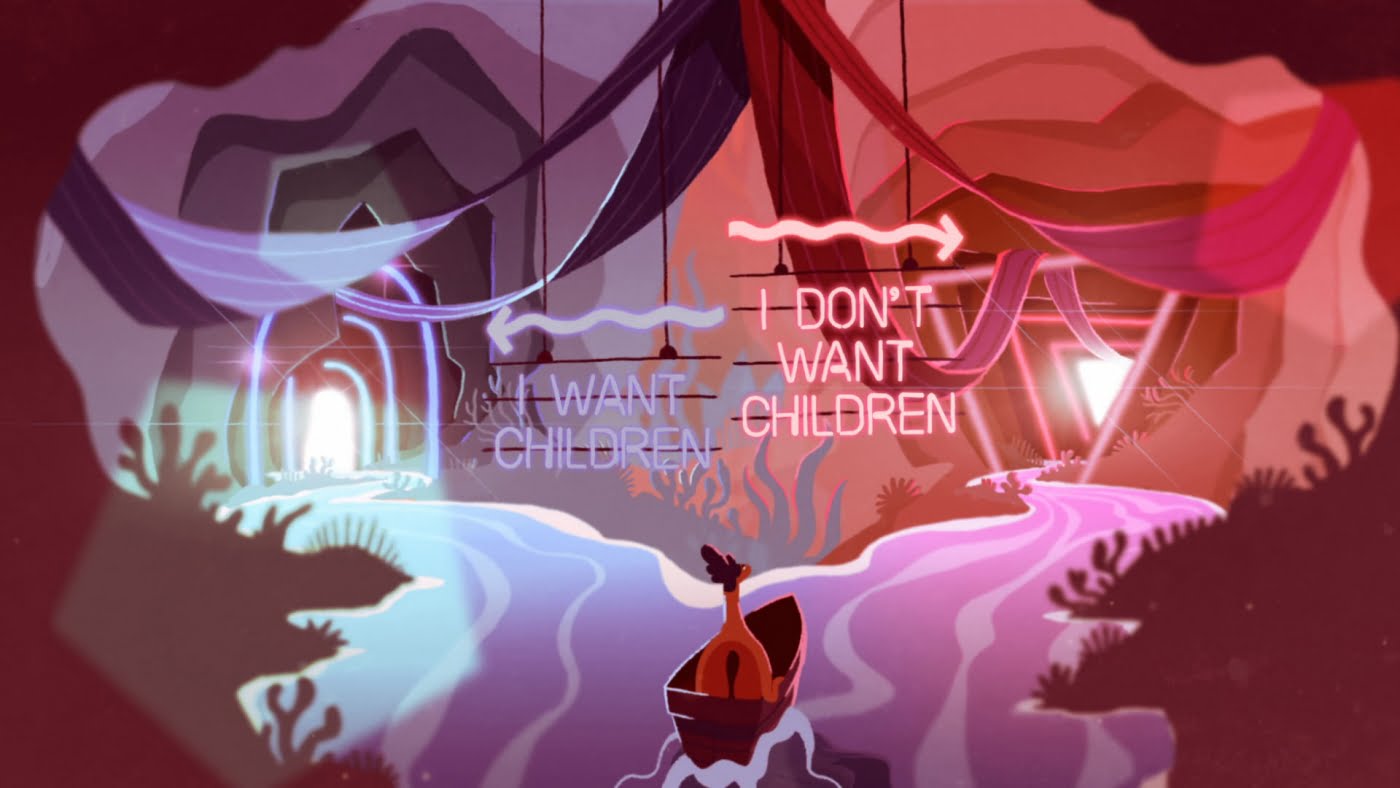
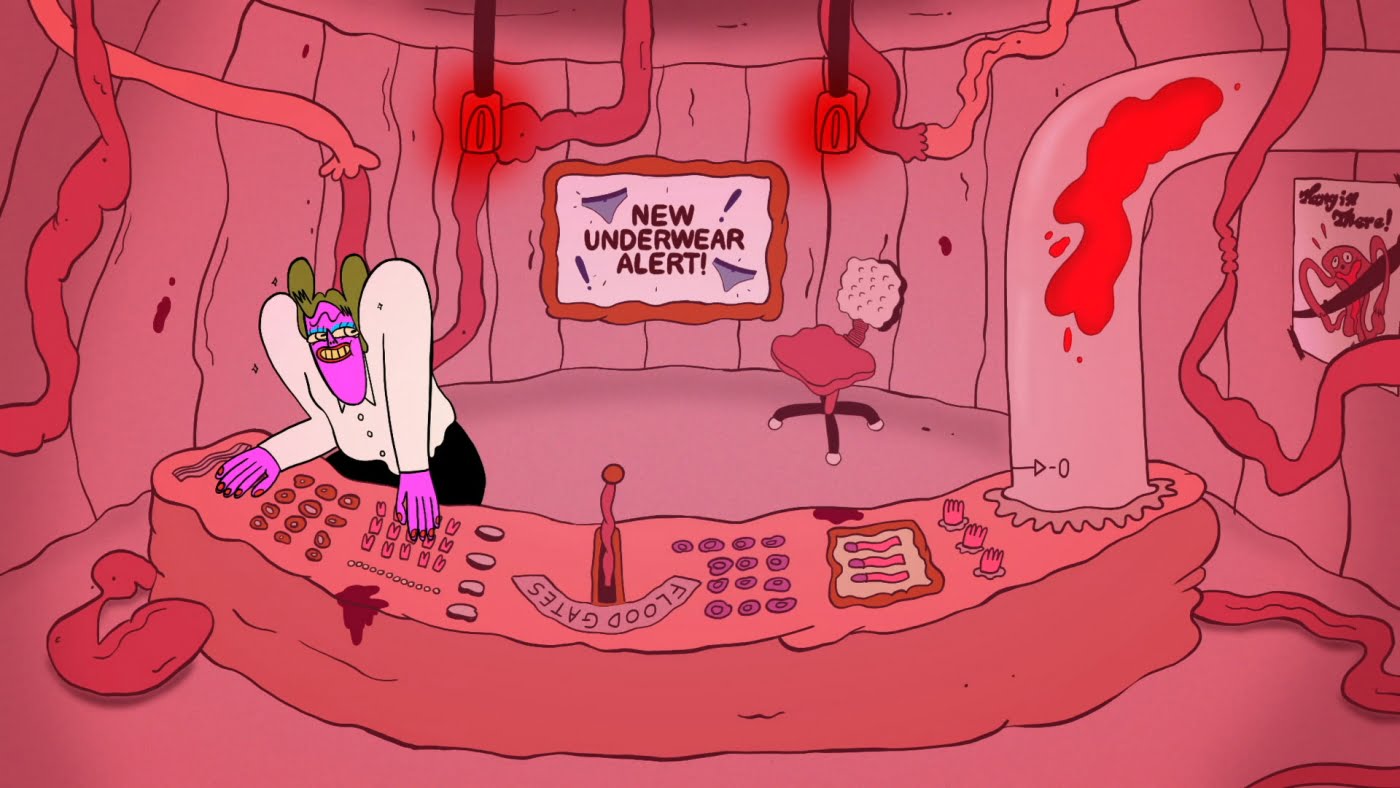
And so we are introduced to a perimenopausal woman’s apartment engulfed in flames; a monster tearing at the womb of a patient suffering from endometriosis; a “floodgate” moment after an unexpected sneeze; a woman who has decided not to have children; and the often tumultuous journey of trying to conceive.
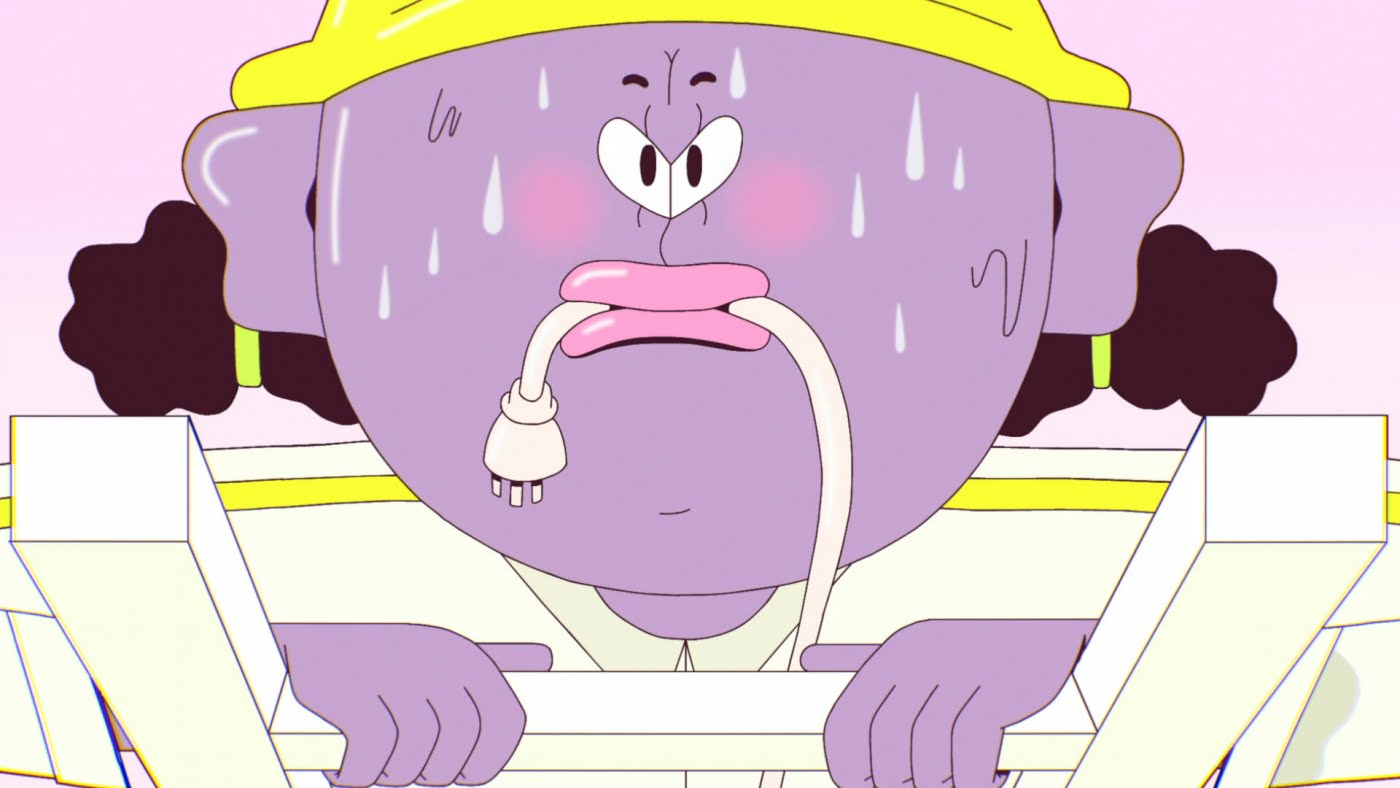
The womb stories presented help capture the sometimes beautiful, sometimes cruel human side of the biology and physiology experienced daily. And although only a handful of experiences are depicted, they represent billions of complex experiences, from hysterectomies to postpartum trauma, artificial menopause, being transgender… the list is long.
“Anthropomorphizing the Womb”
With this campaign, they wanted to stand against the uniform, simplified story that girls learn from an early age: start menstruating in puberty, flush it away with “a bit” of pain and repeat, want a child, get pregnant, have another period, stop menstruating, and then disappear into the background of menopause.
The complex, sometimes dual nature of the womb and the mixed emotions it can evoke in women at different stages of their lives were the “seed” for creation, Hulley explains.
Lossgott adds: “We started thinking about anthropomorphizing the womb and the ‘womb inhabitants’ living in it. The womb emerged as a kind of second seat of power controlling women’s bodies. It can be amazing, or it can tell the control center: ‘I’m going to totally ruin your life today.'”
She continues: “We just started laughing about how all these different characters could come to life in the womb, and then we set about stitching together a tapestry of all these different experiences.”
The team worked with a predominantly female crew and an exclusively female team of animators and illustrators to bring this vision to life. These clips were then interspersed with footage of real women.
Hulley details that the animation had to be strong enough to draw a clear line between what’s happening in a woman’s body and what’s happening in the real world. Therefore, each womb that appeared in the ad was assigned a different illustrator to give it an equally distinctive and unique identity as its owner.
“One of the big challenges and concerns we had was that there would be too many different styles. So things like color – pink and flesh tones – help guide the viewer,” she says.
For Lossgott, the art holds the ad together. “Curating specific animations spoke to the mood we wanted to create for each story, and then all these things came together with the live action. When we edited these parts together and left gaps in the edit, we knew what was in the script and how we wanted the spot to look.
“Each animator worked to bring their own personality and experiences to the project.”
Bodyform and Libresse brought in director, screenwriter, and producer Nisha Ganatra, a Golden Globe winner and Emmy nominee, to collaborate on the ad.
“It was very much a shared experience,” Lossgott admits. “And there was an intuitive sense of what might be right and what might not be. All the men on the team also had their own knowledge of the subject matter, listened, and asked questions, which was also a necessary perspective.”
“Love and Hate, Pain and Pleasure”
“Periods don’t exist in isolation,” says Lossgott. “By visualizing our womb, we can start to open up an emotional and human way to express these often complicated, conflicting feelings of love and hate, pain and pleasure, mundaneness and profundity that we constantly grapple with.”
Bodyform, in turn, wants to start a movement with “Womb Stories.” It’s calling on women to share their own experiences and wants to put this topic on the table for everyone to talk about.
As for their own ultimate hope for the ad, the creative duo behind it hopes for more such cases. “I’ve already heard so many beautiful, touching stories from people who have opened up because of this,” says Lossgott. “I hope it touches people in a way that makes them feel they can share their experiences with those around them.”
Hulley agrees, adding: “Everyone is a storyteller. The ability to tell stories is what makes us human. I hope this ad allows people to feel they can share their story because not telling it is very damaging to them.”